
Facebook ads are one of the most effective tools for marketers looking to reach a wide audience with tailored content. When crafting an ad, understanding the different components that make up an ad is essential.
One of the most crucial elements is primary text. But what exactly is primary text in Facebook ads, and why is it so vital for the success of your ads? In this article, we’ll delve into the role of primary text, how to write it effectively, and its importance in Facebook ad campaigns.
Understanding Primary Text in Facebook Ads
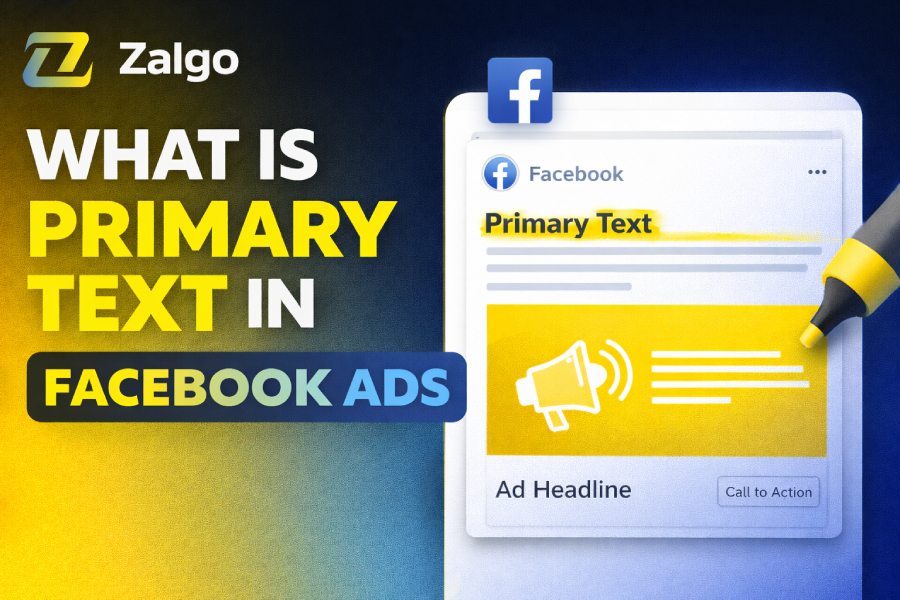
Primary text in Facebook ads refers to the body of text that accompanies your ad’s visual content. It’s the part of the ad that provides context, communicates your message, and encourages action. Placed directly above or below the image or video, primary text is one of the first things your audience will see when they encounter your ad. The primary text is crucial because it helps grab attention and quickly conveys the value of the product, service, or event you’re promoting.
Your primary text should be clear, concise, and aligned with your brand voice. If done correctly, it serves as a hook, drawing your audience into engaging with your ad further. When paired with a compelling visual, the primary text enhances the overall effectiveness of your Facebook ads. If you’re looking to generate impactful text for your ads, you can easily generate free glitch and creepy text for creative purposes.
Why Primary Text is Important for Facebook Ads
The primary text is essential because it directly influences how your audience perceives your ad. It sets the tone for the message you’re delivering and can make the difference between a potential customer engaging with your ad or scrolling past it.
Facebook’s ad system uses engagement metrics such as likes, shares, and clicks to determine how well an ad performs. A well-written primary text that resonates with your audience can increase engagement and, ultimately, your ad’s performance.
More importantly, the primary text helps Facebook’s algorithm decide which ads to show to the right audience. When your primary text is relevant and engaging, Facebook is more likely to display your ad to the right people, maximizing your ad’s reach and effectiveness. For a deeper understanding of how Facebook’s ad algorithms prioritize your content, explore how Zalgo text can influence the visibility of creative content.
Crafting Effective Primary Text
Creating primary text that drives results requires strategic thinking and a deep understanding of your target audience. While you only have a few seconds to capture someone’s attention in the busy Facebook feed, your primary text can make a huge impact. Below are a few tips to help you write compelling primary text that will boost your Facebook ad performance.
1. Keep Your Message Clear and Concise
It’s crucial to get to the point quickly. When writing your primary text, aim for clarity and brevity. Facebook ads should deliver a strong message without overwhelming your audience with excessive details.
If your text is too long or complicated, people are less likely to read or engage with it. For example, a short but powerful sentence like “Get 20% off your first purchase – limited time offer” will be far more effective than a lengthy paragraph about the product’s features.
2. Use a Clear Call-to-Action (CTA)
A strong call-to-action (CTA) is vital for Facebook ads. A CTA directs the audience on what to do next and encourages them to take immediate action. Whether it’s “Shop Now,” “Learn More,” or “Sign Up Today,” make sure your CTA is clear and aligns with the ad’s goal. Including a CTA gives your audience a reason to act and leads them down the path toward conversion.
3. Match Your Tone with Your Audience
The tone of your primary text should be tailored to the audience you’re targeting. Whether your brand is professional, fun, or casual, your text should reflect that voice. If you’re targeting young professionals, you may want to use a friendly and approachable tone. If your ad is aimed at a more corporate audience, a more formal, authoritative tone might be appropriate. The key is to use a tone that feels natural for your brand and resonates with your target demographic.
Examples of Compelling Primary Text
To better understand how to write primary text that drives results, let’s take a look at a few examples:
- E-commerce Ad: “Get 30% off your first order! Shop now and enjoy free shipping on all orders over $50.”
- Service Ad: “Boost your productivity with our all-in-one project management software. Start your free trial today!”
- Event Ad: “Join our free webinar on digital marketing strategies. Don’t miss out—register today!”
In each of these examples, the primary text is concise, includes a strong CTA, and aligns with the goal of the ad.
Best Practices for Optimizing Primary Text
Writing effective primary text requires more than just a catchy line. Here are a few best practices that will help you optimize your primary text for Facebook ads.
1. Test Variations of Your Text
A/B testing allows you to test different versions of your primary text to see which one performs best. You can test different headlines, CTAs, and value propositions to determine what resonates most with your audience. By monitoring engagement metrics, you can identify which version of the text drives the most conversions and refine your ad copy accordingly.
2. Use Emotion to Connect
People are more likely to engage with ads that evoke an emotional response. Whether it’s excitement, urgency, or curiosity, incorporating emotion into your primary text can drive higher engagement. Words like “exclusive,” “limited time,” or “don’t miss out” can create a sense of urgency and encourage users to act quickly. This psychological trigger can help convert leads into customers.
3. Align with Your Visuals
Your primary text should complement the visual elements of your ad. Whether it’s a product photo or a video, the text should reinforce the message and highlight the value of what’s being shown. For example, if you’re running an ad for a limited-time sale, your primary text should emphasize the urgency and highlight the sale’s key benefits. This cohesion between text and visuals is essential for creating a seamless and engaging ad experience.
Primary Text Length: How Much is Too Much?
Facebook allows a maximum of 125 characters for primary text, but research shows that shorter text tends to perform better. Ads with text under 90 characters have been shown to drive more engagement, as they’re quick to read and easy to digest. While you should aim for brevity, make sure your message is still clear and impactful. If you go too short, you risk not delivering enough information to encourage action.
Testing Text Length
Shorter texts tend to grab attention more easily, but that doesn’t mean you should always stick to one length. Test different text lengths and monitor which one performs better for your audience. The goal is to find the sweet spot that delivers the message concisely without sacrificing clarity.
How Primary Text Affects Facebook Ads Success
Primary text can make or break your Facebook ads. The more relevant, engaging, and clear your primary text is, the higher your chances of reaching your target audience and achieving your campaign objectives. Facebook uses engagement signals like CTR to optimize ad delivery, so ads with high-quality text are more likely to be shown to a broader audience.
Conclusion
In conclusion, primary text in Facebook ads is a vital component that can significantly affect your ad performance. Crafting effective primary text requires a mix of clarity, creativity, and relevance to your target audience. By testing different variations, using emotional appeal, and aligning your text with your visuals, you can improve the performance of your ads and achieve better results. Don’t forget to include a strong CTA, keep it concise, and make your message clear to ensure that your Facebook ads resonate with your audience.
With the right primary text, you can elevate your Facebook ads and see a marked improvement in your ad performance and conversions. Stay consistent, test frequently, and adjust your approach as needed to optimize your ad copy for maximum effectiveness.